How Fotona Laser Treatments Compare to Chemical Peels

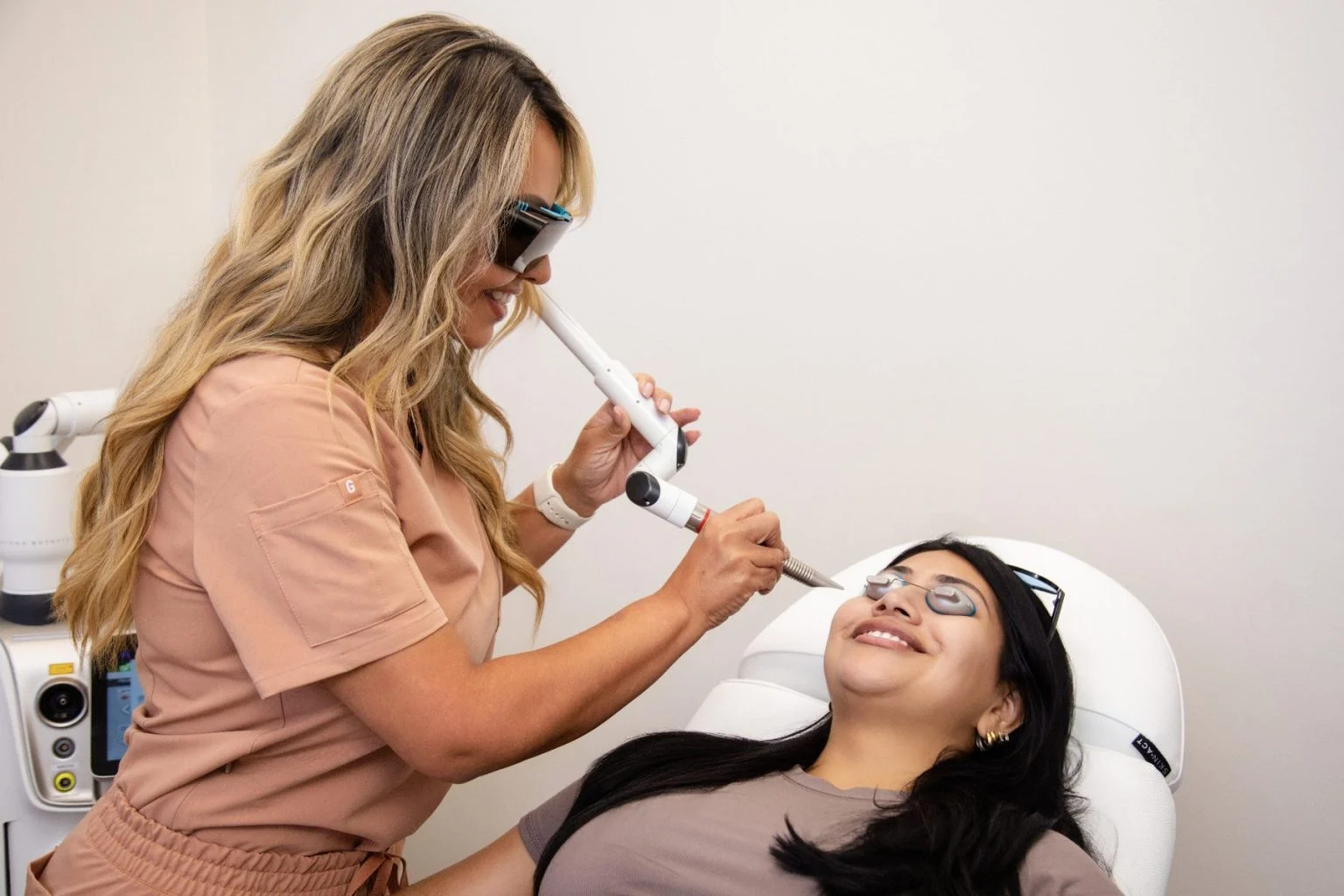
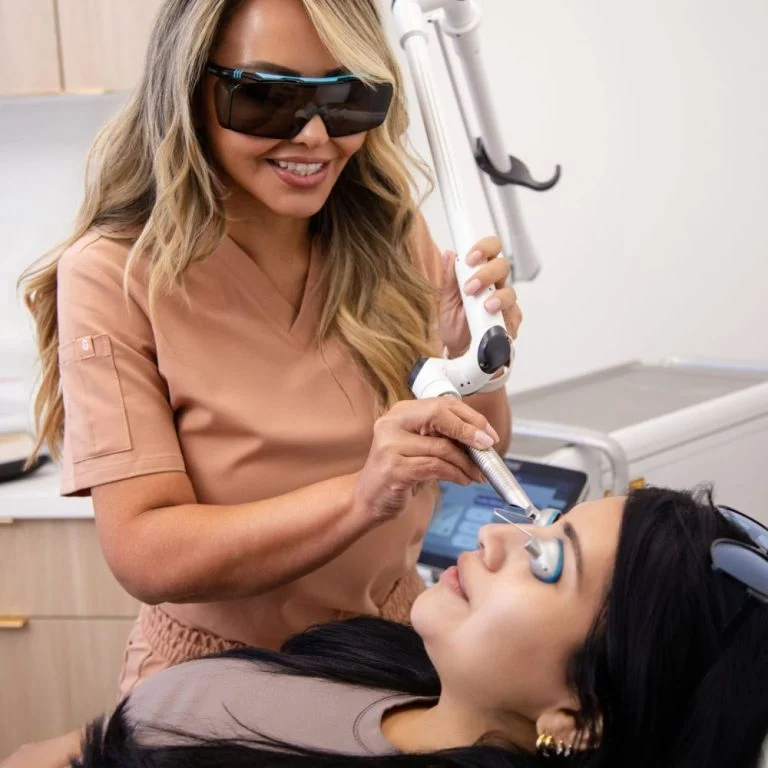
When patients ask whether they should book a laser session or start with a peel, they are rarely asking a purely technical question. What they usually mean is this: which option gives me the best improvement for my skin, with the least disruption to my life, and the fewest surprises afterward?
That is the real comparison.
Fotona Laser Treatments and chemical peels both sit in the large middle ground between skincare products and surgery. They can improve texture, tone, acne scarring, pigmentation, fine lines, and overall skin quality. They can also disappoint if the diagnosis is off, the treatment is poorly chosen, or expectations are set too high. On paper they may seem interchangeable. In practice, they behave very differently.
The best way to compare them is not by asking which is better in a general sense. It is to look at how each one works, what each one does especially well, where each one has limits, and how recovery, cost, comfort, and skin type influence the decision.
They are solving similar problems in very different ways
A chemical peel uses an acid solution to create a controlled injury in the skin. Depending on the formulation and strength, that injury may be very superficial, such as a light glycolic or salicylic peel, or much deeper, as with stronger trichloroacetic acid formulations and certain phenol-based treatments. The skin responds by shedding damaged outer layers and regenerating. That process can brighten pigment, soften rough texture, reduce acne congestion, and make skin look fresher.
Fotona Laser Treatments work through light energy rather than an acid. Fotona systems are known for using Er:YAG and Nd:YAG wavelengths, sometimes separately and sometimes in combination. That matters because the wavelengths interact with skin differently. One can target surface renewal with precision, while the other can penetrate more deeply to stimulate collagen, improve vascular concerns, or tighten tissue. In practical terms, this gives experienced providers room to customize treatment depth, heating pattern, and downtime more precisely than with many standard peels.
That distinction shapes nearly every part of the patient experience. A peel often treats the skin in a more generalized chemical way. A laser can be tuned in a more targeted, layered way. Neither approach is automatically superior, but they are not the same tool.
What each treatment tends to do best
Chemical peels have remained popular for good reason. A well-chosen peel can be elegant in its simplicity. For dullness, mild uneven pigmentation, oily skin, comedonal acne, post-inflammatory marks, and rough texture, peels often deliver solid improvement without a major commitment. A series of lighter peels can also be easier for patients who want steady progress with modest downtime.
There is also a practical reality that many clinics know well. Some skin concerns do not need a machine. A patient with stubborn breakouts, clogged pores, and a tired-looking complexion may respond beautifully to salicylic acid or a blended superficial peel. If that same patient is pushed into a more expensive laser course before basic acne control and barrier repair are addressed, results may be underwhelming.
Fotona Laser Treatments often stand out when the goal extends beyond surface exfoliation. Fine lines around the eyes, early laxity, acne scars, texture irregularity, enlarged pores, and collagen remodeling are areas where laser technology usually has an advantage. Fotona platforms are also frequently chosen when providers want to combine resurfacing with deeper tissue stimulation in one plan. Some protocols aim to polish the skin surface while simultaneously driving heat below it, encouraging new collagen formation over time.
That collagen component is where many patients notice the difference. A peel can make skin look brighter and smoother fairly quickly. A laser treatment, especially one designed for deeper remodeling, may improve the skin’s architecture more meaningfully over several months. Patients often describe it as less of a fresh scrubbed look and more of a gradual improvement in firmness and refinement.
Precision is one of the biggest dividing lines
One of the reasons experienced practitioners value Fotona Laser Treatments is control. Laser settings can be adjusted according to skin thickness, concern, anatomical area, tolerance for downtime, and risk profile. The forehead does not need to be treated the same way as the under-eye area. Acne scars on the cheeks may require a different strategy from fine crêpiness near the mouth. Lasers give room for that nuance.
Chemical peels can be customized too, but in a different way. The provider chooses the acid, concentration, pH, number of coats, and contact time. Prep matters. Skin degreasing matters. Patient history matters. Even so, a peel is less precise in the sense that it does not offer the same degree of point-by-point energy control that a laser does.
That does not mean peels are crude. It means their strength lies in broad surface treatment rather than selective energy delivery. For diffuse pigmentation or generalized congestion, that broadness can actually be an advantage. For mixed concerns, especially when scars, pores, texture, and laxity overlap, laser precision becomes more compelling.
Downtime looks different, and that matters more than people expect
Patients often underestimate how much downtime influences satisfaction. Not the dramatic kind, but the practical kind. Can you go to work tomorrow? Can you exercise? Will makeup sit properly? Will your skin look flaky for a week? Will you need to avoid sun aggressively during a beach holiday you forgot to mention?
A superficial chemical peel may cause little more than mild tightness, dryness, or fine flaking for a few days. Medium-depth peels can bring visible peeling, redness, temporary swelling, and a social downtime that is harder to hide. Deeper peels can involve much more recovery and carry a very different risk profile.
Fotona Laser Treatments vary just as widely. A gentler non-ablative session may leave skin pink and warm for a day or two. A more aggressive resurfacing treatment can involve redness, swelling, bronzing, peeling, and several days to a week or more of visible healing. The phrase laser treatment is not specific enough to predict downtime, which is why generic online comparisons often mislead patients.
In clinic, this is where consultation quality shows. A patient attending events all month may do better with a measured series of lighter treatments. Another patient with scar concerns and realistic expectations may accept a week of recovery for a stronger session. The right treatment is partly a skin decision and partly a calendar decision.
Skin type changes the risk conversation
This is one of the most important parts of the comparison, and it deserves careful handling. Not every treatment suits every skin tone equally, especially when pigment is involved.
Chemical peels can be safe and effective across a range of skin types, but formulation, strength, and prep are critical. In deeper skin tones, aggressive peeling can trigger post-inflammatory hyperpigmentation if performed without caution. That risk rises if there is recent sun exposure, active inflammation, barrier damage, or a history of pigment sensitivity.
Lasers require just as much caution, sometimes more. Certain laser settings and resurfacing approaches can carry significant pigmentation risk in skin with more melanin. That does not mean lasers are off the table. It means device choice, parameter selection, pre-treatment preparation, and provider experience are non-negotiable. Some Fotona protocols can be adapted thoughtfully, but this is not a category where a one-size-fits-all marketing promise should be trusted.
In real practice, I have seen patients with medium to deep skin tones do very well with carefully staged treatment plans that started conservatively, emphasized sun avoidance, and incorporated topical pigment control before and after procedures. I have also seen preventable complications from rushing into aggressive resurfacing because a dramatic before-and-after photo created false confidence. The treatment itself matters. The sequencing matters just as much.
For acne and post-acne marks, the answer is often layered
Patients with acne often assume they need only one type of treatment. The truth is messier. Active acne, red marks, brown marks, shallow scars, deep scars, and oiliness are not the same issue, even though they show up on the same face.
Chemical peels can be excellent for active acne and post-inflammatory discoloration, especially salicylic acid and other acne-friendly formulations. They help unclog pores, reduce oil, and speed turnover. For many younger patients, that is the logical first step, especially if they are not ready for more expensive procedures.
Fotona Laser Treatments become more relevant when scarring enters the picture or when chronic redness and texture changes remain after breakouts are controlled. A peel can brighten marks and smooth the surface somewhat, but it usually does not remodel scar tissue as effectively as a laser-based approach designed for collagen induction. Rolling scars, boxcar scars, and residual roughness often respond better when energy is delivered into the skin in a controlled way over a series of sessions.
There is also a sequencing issue that matters. Treating active, inflamed acne aggressively with resurfacing before the inflammation is managed can backfire. It is often smarter to calm the acne first, improve skin behavior, then address leftover marks and scars. Patients appreciate that plan more when it is explained clearly, because it feels deliberate rather than sales-driven.
Pigmentation is where the comparison gets nuanced
Pigmentation sounds straightforward until you start separating melasma, sun damage, freckles, post-inflammatory hyperpigmentation, and mixed dyschromia. They do not behave the same, and they do not respond the same way.
Superficial pigment from sun exposure often responds nicely to peels, especially when paired with topical agents and strict sun protection. Patients may see a fresher, more even complexion after a short series, and the path feels simple.
Melasma is different. It is notoriously reactive, often driven by hormones, heat, light, and inflammation. Both peels and lasers can help, but both can also worsen it if used too aggressively. This is where restraint becomes a sign of expertise. Sometimes the most responsible plan is not the strongest treatment, but the gentlest one that reduces visible pigment while minimizing inflammatory rebound.
Fotona Laser Treatments may offer options for selected pigmentation patterns, especially when texture and aging changes coexist, but they are not a universal answer for every pigmented lesion. A patient with mild sun damage and roughness may do very well. A patient with unstable melasma may need a very conservative strategy and should be told that maintenance, not cure, is the realistic goal.
Comfort during treatment is not a trivial detail
People do not talk enough about how a treatment feels. Yet discomfort shapes whether patients complete a course and whether they come back.
Many light chemical peels sting or burn for a few minutes, then settle. Patients often describe the sensation as sharp but short-lived. Medium-depth peels can be more uncomfortable and may produce several minutes of intense heat, followed by lingering tightness.
Fotona Laser Treatments vary from mildly prickly and warm to distinctly uncomfortable, depending on the protocol. Some sessions involve topical numbing, cooling, or both. Deeper resurfacing can feel intense enough that pain management planning becomes part of the appointment. This does not mean patients avoid it. It means a serious treatment should be presented honestly, not packaged as a spa facial with a machine.
One useful thing I have noticed in consultations is that tolerance often depends less on pain threshold and more on predictability. Patients handle discomfort well when they know what to expect, how long it will last, and what the next two days will look like.
Cost is not just the price per session
A common mistake is comparing a single peel to a single laser session and assuming that is the whole financial story. It rarely is.
Peels usually have a lower upfront cost. That makes them accessible and easy to maintain. But multiple sessions are often needed, particularly when concerns are chronic or multifactorial. Lasers tend to cost more per visit, sometimes significantly more, yet may produce deeper or broader change per session in the right candidate.
Value depends on the endpoint. If the goal is periodic brightening and acne control, peels can be efficient and sensible. If the goal is visible improvement in scars, pores, and collagen quality, a cheaper but less effective series may not actually be better value.
A realistic financial discussion should cover the likely number of sessions, maintenance needs, skincare support, and possible downtime costs. Missing work, canceling social plans, or buying extra camouflage products after treatment all count, even if they do not appear on the invoice.
The best candidates for each option
Some patients are almost built for peels. They have mild to moderate texture issues, surface pigment, oiliness, or acne congestion. They want a lower barrier to entry, less technical intensity, and a treatment that can be repeated seasonally or monthly depending on strength.
Others are stronger laser candidates. They have acne scarring, early laxity, etched lines, enlarged pores, or a general sense that the skin structure itself needs remodeling. They are willing to invest more, accept more detailed aftercare, and wait for collagen-driven improvement.
A useful way to frame it in clinic is this:
| Concern or priority | Chemical peels often fit better | Fotona Laser Treatments often fit better | |---|---|---| | Dullness and mild roughness | Yes | Yes | | Oily, acne-prone skin | Often excellent | Sometimes adjunctive | | Acne scars | Limited improvement | Usually stronger option | | Fine lines and collagen remodeling | Mild benefit | Often stronger option | | Lower upfront cost | Usually | Less often | | Highly customizable depth and tissue targeting | Somewhat | More so |
That table simplifies a complex decision, but it captures the general drift. The details always matter.
Combination treatment is often where the smartest plans land
One of the odd habits in aesthetic marketing is presenting treatments like rival teams. In reality, good skin plans often combine modalities.
A patient might start with peels to settle acne and reduce excess oil, then move to Fotona Laser Treatments for residual scarring. Another might have periodic light peels between laser sessions to maintain brightness while collagen remodeling unfolds. Someone with photoaging could benefit from laser work for texture and fine lines, with carefully timed superficial peels later for maintenance.
This is where professional judgment is worth paying for. Not every https://riverlvvq783.novacrestiq.com/posts/how-fotona-laser-treatments-address-multiple-skin-concerns-at-once device-based practice needs to lead with a machine, and not every peel-focused practice should avoid referring for laser work when deeper remodeling is clearly indicated. The strongest treatment plan is not the one tied to a business model. It is the one tied to the biology of the skin in front of you.
Aftercare can make or break the result
Patients understandably focus on the procedure itself, but outcomes often hinge on what happens afterward. Both peels and lasers temporarily compromise the skin barrier to some degree. That means gentle cleansing, bland moisturization, sun protection, and restraint with active products matter.
The patients who struggle most are often not the ones with difficult skin. They are the ones who resume retinoids too early, pick at peeling skin, sweat heavily in the first 24 hours, skip sunscreen, or decide to “help” recovery with five new products.
A sound aftercare routine usually comes down to a few essentials:
- Keep the skin clean, cool, and well moisturized.
- Pause strong actives until the provider says the barrier has recovered.
- Use broad-spectrum sunscreen carefully and consistently.
- Avoid heat, friction, and unnecessary irritation during early healing.
- Report prolonged redness, blistering, crusting, or unexpected pigment changes promptly.
Those points look simple, but they are often the difference between a smooth recovery and a frustrating one.
What tends to surprise patients most
The biggest surprise after peels is often how variable peeling can be. Some people expect dramatic shedding and get only a little flaking. Others peel around the mouth and nose more than expected and worry something went wrong. Peeling visible to the eye is not the sole measure of effectiveness.
The biggest surprise after Fotona Laser Treatments is that the final result may not reveal itself immediately. There may be an early glow, then a period where everything looks fairly normal, and only later does collagen remodeling become more obvious. Patients who expect a single dramatic overnight transformation can misread this timeline.
Another surprise is that stronger is not always better. A moderate, well-timed series often outperforms one heroic treatment followed by excessive irritation, downtime, or pigment problems.
So which one should you choose?
If your main concerns are dullness, mild pigmentation, oily skin, or acne congestion, chemical peels are often the more sensible starting point. They are versatile, relatively accessible, and capable of producing visible improvement without overcomplicating the process.
If your concerns center on acne scars, pore texture, fine lines, or early skin laxity, Fotona Laser Treatments usually deserve serious consideration. They offer a level of depth, precision, and collagen stimulation that peels generally cannot match.
If you have melasma, a darker skin tone with a history of pigmentation, active inflammation, or a tendency to react strongly, the decision becomes more cautious. Neither treatment should be chosen casually. Provider experience matters at least as much as the modality.
The best consultations are the ones where the recommendation feels tailored rather than prewritten. Your skin history, your tolerance for downtime, the season, your budget, your event calendar, your pigment risk, and your actual priorities all matter. Someone who wants to look fresher by next Friday needs a different plan from someone willing to invest six months in scar remodeling.
That is why the comparison between Fotona Laser Treatments and chemical peels is less about finding a winner and more about matching the tool to the target. On the right skin, used at the right time, both can be excellent. On the wrong indication, even a well-executed treatment can feel like the wrong choice. The skill lies in knowing the difference before the first pass of the laser or the first layer of acid touches the skin.
OMNIA Wellness Center
Address: 16430 Ventura Blvd Ste 207, Encino, CA 91436
Phone number: +18183868511
FAQ About Fotona Laser Treatments
What is a Fotona laser good for?
A Fotona Laser system is a versatile, dual-wavelength medical laser used primarily for non-surgical skin tightening, anti-aging rejuvenation, and dermatological treatments.
How much does the Fotona laser cost?
The cost of a Fotona laser depends heavily on whether you are looking to purchase a laser machine for a medical practice or are a patient seeking a laser treatment at a medspa.
Is a Fotona laser worth it?
A Fotona laser treatment is generally worth it if you want non-surgical skin tightening, improved texture, and collagen stimulation with very little downtime.