10 Breakthrough Benefits of Stem Cell Therapy
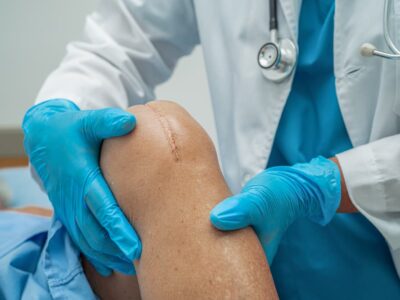


Stem Cell Therapy attracts attention for a simple reason: it aims to repair tissue rather than merely quiet symptoms. That distinction matters. In many chronic and degenerative conditions, standard treatment follows a familiar pattern. Pain is reduced, inflammation is dampened, function is supported, and surgery is delayed if possible. Those steps have value, and often a great deal of it. Still, they do not always address the underlying loss of healthy cells.
The appeal of regenerative medicine lies in that gap. Stem cells are prized for their ability to develop into specialized cell types and to influence healing through chemical signaling. In practice, the field is more nuanced than marketing brochures suggest. Results vary by diagnosis, the source of the cells, the health of the patient, the timing of treatment, and the skill of the clinical team. Some applications are well established, while others remain investigational. The benefits are real, but they need to be discussed with precision.
What follows are ten of the most meaningful benefits associated with Stem Cell Therapy, viewed through a practical clinical lens rather than hype.
A better chance of tissue repair
The most important benefit is also the one people tend to understand intuitively: stem cells may help replace or support damaged tissue. Depending on the setting, they can differentiate into bone, cartilage, blood, or other specialized cells, or they can create an environment that encourages native healing.
That distinction between direct replacement and support is not academic. In orthopedic care, for example, many patients come in believing injected stem cells will “grow a brand-new knee.” Real life is less dramatic. Cartilage damage, tendon degeneration, and joint inflammation often improve because the therapy modulates the local environment, helping the body mount a more effective repair response. For a middle-aged runner with a worn meniscus or early arthritic change, that may translate into less swelling, fewer flare-ups, and a return to activity. It may not mean a perfect MRI six months later.
In blood disorders, the repair story is more direct. Hematopoietic stem cell transplantation, used for decades in leukemias, lymphomas, and certain inherited conditions, can reconstitute the blood and immune system after it has been destroyed by disease or intensive treatment. That is one of the clearest examples of stem cells doing more than symptom management. They restore a biological system.
Reduced inflammation in selected conditions
A second major benefit is immunomodulation. Many forms of Stem Cell Therapy, particularly those involving mesenchymal stem cells, appear to influence inflammatory signaling. They do not simply sit in tissue and transform into a replacement part. They also release cytokines, growth factors, and extracellular vesicles that can quiet destructive inflammation and support repair.
This matters because inflammation is double-edged. Acute inflammation helps healing. Chronic inflammation, on the other hand, can become a self-sustaining cycle that degrades joints, scars organs, and impairs nerve function. In clinical practice, patients with inflammatory wear-and-tear conditions often describe a familiar pattern: the pain is not constant, but any stress on the tissue seems to trigger a disproportionate response. The tissue never truly settles.
When Stem Cell Therapy works in that setting, patients often report an early decrease in post-activity soreness before they notice large gains in strength or mobility. That sequence makes sense. If the inflammatory burden drops first, rehabilitation becomes possible. A shoulder that no longer throbs at night is easier to strengthen. A knee that stops swelling after every walk allows the patient to regain quadriceps control. The anti-inflammatory benefit is often what opens the door to everything else.
Less reliance on pain medication
Pain relief is a practical outcome, and for many people it is the first one they care about. Not because they are avoiding hard work, but because persistent pain narrows life quickly. Sleep fragments, mood drops, movement decreases, and physical conditioning erodes. The body pays for that cycle.
Stem Cell Therapy may reduce pain in some musculoskeletal and inflammatory conditions by addressing tissue stress and local inflammation together. That creates a meaningful secondary benefit: lower dependence on pain medication. This can be especially important for patients who have spent months or years rotating through nonsteroidal anti-inflammatory drugs, intermittent corticosteroids, or stronger prescriptions after injuries and surgeries.
Clinicians who treat chronic joint pain see this pattern often. A patient starts by using over-the-counter medication “just on weekends,” then progresses to most days, then adds a rescue prescription for travel or bad weather. That is not a moral failing. It is what people do when pain keeps interrupting ordinary life. If a regenerative treatment decreases baseline pain enough that a person needs fewer medications, the effect reaches beyond comfort. It may reduce gastrointestinal irritation, lessen sedation, improve concentration, and make long-term pain management safer.
There is an important caveat here. Patients with severe structural damage, advanced bone-on-bone arthritis, or complex nerve pain may not gain enough relief to come off medication entirely. In those cases, Stem Cell Therapy may still play a role, but as part of a broader plan rather than a replacement for everything that came before.
Improved function, not just symptom control
One of the strongest arguments for regenerative approaches is that they may improve function. This sounds obvious, but in medicine pain reduction and functional improvement do not always move together. A patient can feel somewhat better and still not climb stairs well, grip firmly, balance confidently, or tolerate a full workday.
Function is where outcomes become real. Can the carpenter use his shoulder overhead? Can the grandmother rise from a low chair without bracing on the table? Can the recreational tennis player serve again without two days of rebound pain? Those are the markers that matter in practice.
Stem Cell Therapy may improve function by enhancing the quality of tissue healing, reducing inflammation that inhibits movement, and making physical rehabilitation more productive. This last point is often overlooked. Regenerative treatment is rarely a magic event. It is frequently a catalyst. Once pain calms and the tissue environment improves, guided movement, progressive loading, and habit changes can produce gains that were not possible before.
In sports medicine, some of the best outcomes are seen when patients stop viewing the procedure as the whole treatment. A tendon injection followed by a careful loading program often outperforms an injection followed by a quick return to maximal activity. The therapy sets the stage. The tissue still needs mechanical conditioning.
A possible delay or avoidance of surgery
For the right patient, one of the most valuable benefits is the potential to postpone surgery or avoid it altogether. This deserves a measured discussion because it is easy to oversell. Stem Cell Therapy does not eliminate the need for surgery in all cases, and it should never be used to keep someone from a procedure that is clearly necessary. A severely unstable joint, an advanced collapse, or a compressive neurologic emergency will not be solved by regenerative injections.
Yet there is a large middle group of patients who live in the gray zone. Their symptoms are significant, but they are not eager for surgery, or their imaging findings do not make the next step obvious. In that group, a biologic treatment may buy time, improve quality of life, and preserve function while the patient weighs options.
This can be especially useful when timing matters. An older adult caring for a spouse may not be able to manage the recovery period of a joint replacement that year. A younger worker might want to delay surgery until after a busy season. An athlete may need a path that supports a return to competition before considering a larger intervention in the off-season. If Stem Cell Therapy reduces pain and restores enough function to safely defer surgery, that is not a minor gain. It can reshape the patient’s entire decision tree.
Faster or more efficient healing in selected injuries
Healing speed is a sensitive topic because patients hear “faster recovery” and imagine a timetable that no biology can deliver. The more accurate benefit is that stem cells may improve the efficiency and quality of healing in selected injuries, which can shorten recovery in some cases.
Bone healing offers a useful example. In difficult fractures, nonunions, or situations where blood supply is compromised, cellular therapies may support bone regeneration. In soft tissue injuries, such as tendinopathies or ligament damage, the goal is often to help the tissue move from stalled degeneration toward organized repair. A stalled tissue can linger for months. If Stem Cell Therapy nudges it back into productive healing, the total recovery time may decrease even if progress remains gradual.
Patients sometimes describe this as finally “getting traction.” Before treatment, every few weeks bring the same pattern: a slight improvement, then a setback. After treatment, the setbacks become less intense and each rehab cycle builds on the last. That is not the dramatic overnight change people hope for, but it is often the more believable sign of true healing.
The key is patient selection. An acute hamstring strain in a healthy young athlete does not always need a regenerative procedure. Many such injuries heal well with structured rehabilitation alone. Stem Cell Therapy tends to make more sense when standard recovery has plateaued, when tissue quality is poor, or when the stakes of incomplete healing are high.
Potential benefit in autoimmune and inflammatory disease research
Some of the most intriguing work in this field involves autoimmune and inflammatory disorders. Here, the promise is less about replacing tissue directly and more about recalibrating abnormal immune behavior. Research is ongoing in conditions such as Crohn’s disease, lupus, multiple sclerosis, and graft-versus-host disease.
Among the more recognized applications, mesenchymal stem cells have been studied for difficult inflammatory fistulas in Crohn’s disease, where local repair is often complicated by persistent immune activation. There is also serious interest in using cell-based therapies to reduce pathologic immune responses after transplantation. These are not fringe ideas. They are part of a larger effort to use biology to tame biology.
That said, this area requires honesty. Not every autoimmune condition responds the same way, and many uses remain experimental or available only in specialized centers or clinical trials. Patients with autoimmune disease often arrive after years of disappointment, having tried multiple medications with cycles of benefit and relapse. They deserve clear language about what is established, what is promising, and what is still unproven.
When the therapy does help, the benefit can be substantial because immune-driven disease tends to affect more than one symptom at a time. Reducing inflammatory activity may ease pain, improve energy, protect organs, and lower cumulative tissue damage. Few treatments have that kind of reach.
A more personalized treatment pathway
Another practical benefit is flexibility. Stem Cell Therapy can sometimes be tailored more closely to the patient’s condition, goals, and biological profile than one-size-fits-all care. This is especially relevant in regenerative orthopedics and hematology, where the source of cells, processing methods, and delivery techniques can differ based on need.
Not every patient requires the same approach. Some may be candidates for autologous cells, drawn from their own body, often from bone marrow or adipose tissue. Others may be better served by donor-based systems in highly regulated transplant settings. The site of delivery also matters. A joint injection is very different from intravenous infusion or a transplant protocol in an oncology unit.
This personalized aspect does not mean unlimited customization. Biology still imposes constraints. Older patients may have lower cell yield or less robust regenerative potential. Severe metabolic disease, smoking, systemic inflammation, or poor rehabilitation adherence can blunt results. But the ability to match therapy to the context remains a strength.
A sensible evaluation before treatment often includes the following:
- the exact diagnosis, confirmed as carefully as possible
- the severity and chronicity of tissue damage
- prior treatments and why they failed or only partly worked
- the patient’s goals, timeline, and tolerance for uncertainty
- the role of rehab, surgery, or medication alongside the procedure
This kind of planning separates responsible regenerative care from clinics that offer the same injection for every problem on the schedule.
Lower risk of rejection in some autologous uses
When stem cells are taken from the patient’s own body, one benefit is a lower risk of immune rejection. That does not remove all risk, but it changes the equation in a favorable way. The body recognizes its own cells, so the concern about classic transplant rejection is reduced compared with therapies involving donor tissue.
This matters both medically and psychologically. Many patients are more comfortable with a treatment that uses their own biologic material. They feel less like they are introducing something foreign and more like they are amplifying an internal repair process. That perception is not the same as scientific proof, but comfort and trust do influence adherence and recovery.
From a safety standpoint, autologous approaches may avoid some of the immunologic complications that arise in allogeneic settings. Still, “lower rejection risk” should never be confused with “risk free.” Procedures can carry risks related to harvesting, contamination, infection, bleeding, pain at the donor site, poor placement, or lack of efficacy. In oncology and transplant medicine, donor-derived stem cell therapies may be the correct and lifesaving option despite the added complexity. The right choice depends on the disease.
Better long-term quality of life when treatment works well
Quality of life is an easy phrase to throw around and a harder one to define honestly. In practice, it usually comes down to ordinary things. Can a person sleep through the night, walk the dog, work a full shift, travel without elaborate pain planning, kneel in the garden, or play with grandchildren on the floor? The best benefit of Stem Cell Therapy is that it can improve those ordinary functions in a durable way for selected patients.
Durability is the crucial word. A steroid injection may provide strong short-term relief for some conditions, and there is certainly a place for that. But if a regenerative treatment leads to sustained tissue improvement and lower inflammation over a longer period, the day-to-day payoff can be greater. Patients often value consistency more than dramatic but brief relief. They want fewer bad days, less fear of flare-ups, and more trust in their own body.
In clinics that follow patients longitudinally, the most satisfied individuals are not always those with the biggest pain score drop at one month. They are often the ones who notice, six or twelve months later, that life has stopped revolving around the problem. They book trips without checking how far they will need to walk. They return to low-impact exercise and keep doing it. They stop narrating every movement in terms of what hurts.
That https://franciscohiua926.wordcanopy.com/posts/a-practical-guide-to-stem-cell-therapy-consultation-and-care is where regenerative medicine earns its place, when the biological effect translates into freedom.
Where expectations need to stay grounded
The excitement around stem cells has also created confusion. The term itself is used too loosely. Some clinics advertise Stem Cell Therapy for nearly everything, from orthopedic injuries to memory problems to generalized aging, with very little diagnostic discipline. That should make patients cautious.
A few realities are worth keeping in mind:
- not all stem cell products are the same, and some marketed treatments contain few viable stem cells at all
- strong evidence exists for some uses, while other uses remain experimental
- response rates vary, and no ethical clinician can promise success
- rehabilitation, timing, and overall health strongly affect outcomes
- cost can be substantial, and insurance coverage may be limited outside established indications
These trade-offs do not weaken the case for the therapy. They strengthen it by putting it on honest footing. Stem Cell Therapy is most compelling when it is offered to the right patient, for the right problem, with the right safeguards.
Why the field keeps moving forward
The enduring momentum behind Stem Cell Therapy comes from a rare combination of scientific logic and visible patient need. Modern medicine has become excellent at stabilization, symptom management, and life extension. It still struggles when tissue is damaged, blood supply is poor, inflammation turns chronic, or healing stalls. Regenerative medicine speaks directly to those failures.
Researchers continue to refine cell sourcing, processing, delivery, and patient selection. They are also learning that many benefits may come less from the cells permanently engrafting into tissue and more from the biologic signals they release. That insight could shape future therapies, perhaps making treatment more targeted and predictable.
For now, the ten breakthrough benefits are best understood not as universal promises, but as distinct clinical advantages that may appear under the right conditions: tissue repair, lower inflammation, less medication dependence, better function, delayed surgery, more efficient healing, immune modulation, personalized care, lower rejection risk in autologous settings, and improved long-term quality of life.
Used carefully, Stem Cell Therapy is not a miracle and does not need to be. Its real strength is more useful than that. It gives medicine another way to help the body rebuild what disease, injury, and time have taken away.
Denver Regenerative Medicine | Stem Cell Therapy, HRT, Testosterone Clinic
Address: 5040 Corporate Plaza Dr Ste 7, Colorado Springs, CO 80919
Phone number: +17205831648
FAQ About Stem Cell Therapy
What are the negative side effects of stem cell therapy?
Stem cell therapy can cause mild short-term reactions like injection-site pain, fatigue, and low-grade fever. More serious risks include infection, immune system rejection, blood clots, unintended tissue growth or tumors, and severe complications from unproven treatments at unregulated clinics.
What diseases can stem cells cure?
Currently, stem cells routinely and effectively cure specific blood cancers, immune deficiencies, and blood disorders using established bone marrow or cord blood transplants. Most other applications—such as for Parkinson's, diabetes, or heart failure—remain experimental or in clinical trials rather than proven cures.
Do stem cell treatments really work?
Yes, stem cell treatments work, but only for a very specific group of conditions. Hematopoietic stem cell transplants (bone marrow transplants) are fully proven and widely used to treat blood cancers like leukemia and lymphoma. However, commercial stem cell treatments for joint pain, arthritis, and wrinkles are largely unproven, experimental, and costly.